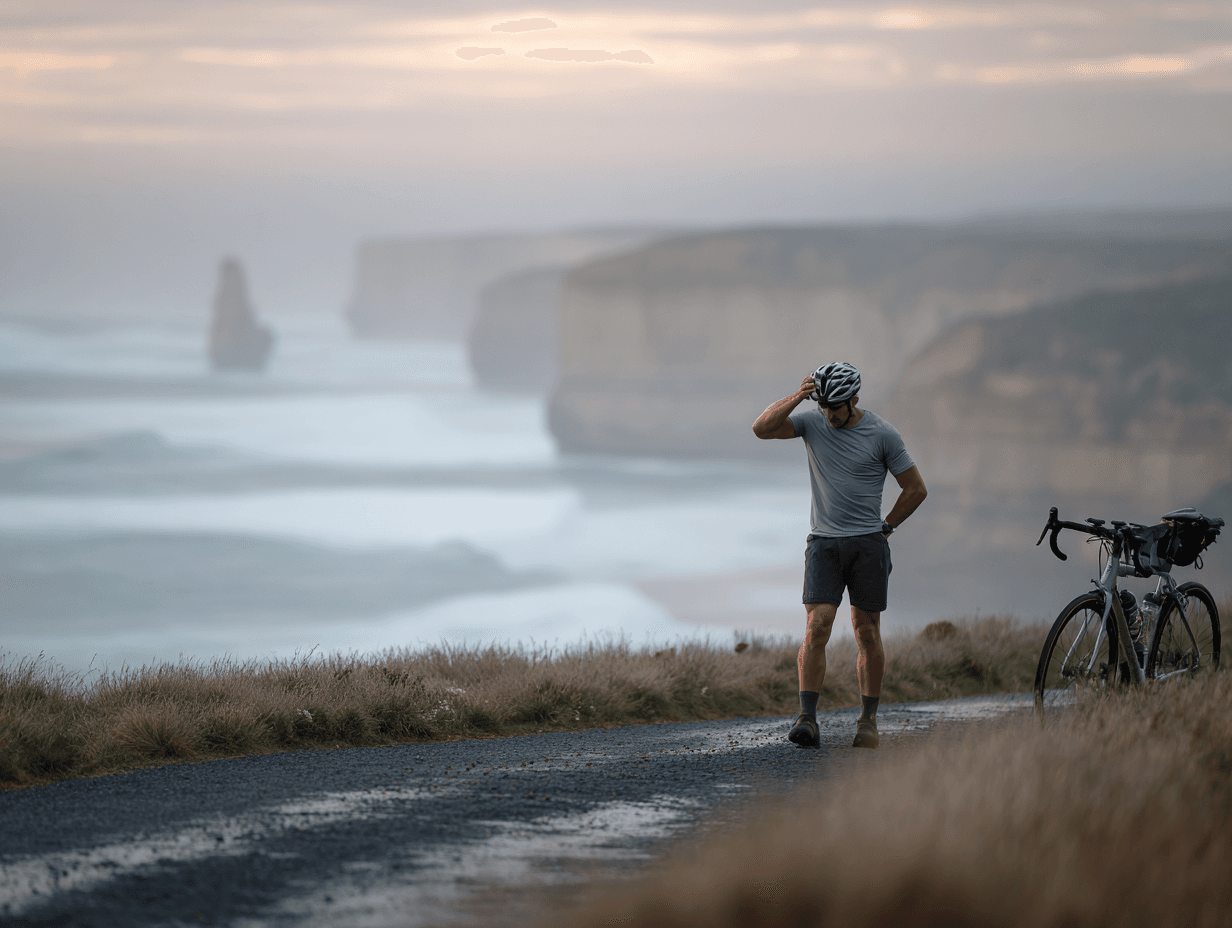
- Order blood test panels online without a GP referral
- Collection centres throughout Canberra: CBD, inner suburbs, and outer areas
- Results arrive within 48 hours
- Perfect for cyclists, runners, and endurance athletes
- Walk-in appointments; no booking required
Canberra's athletic culture is built around cycling and running. Lake Burley Griffin is the city's epicenter, with a 21.1km cycling and running loop that attracts athletes year-round. Cycling clubs are strong with track, road, and mountain bike communities. Parkrun events run regularly at multiple Canberra locations. Running clubs organize consistent group sessions. Mountain biking trails in the surrounding regions are popular. Triathletes train at the lake and pools. Outdoor fitness communities operate across the city. The cooler climate suits aerobic training year-round.
Blood testing anchors training for all of them. Whether you're cycling Lake Burley Griffin, training for cycling races, building running fitness, or competing in triathlons, knowing your oxygen capacity (haemoglobin), recovery status (cortisol, testosterone), and aerobic adaptation shapes your program.
Find Your Collection Centre in Canberra
Honed Health removes the GP referral barrier. Order your blood tests online and walk into any accredited collection centre across Canberra. No appointment needed.
Accredited pathology collection centres operate throughout the CBD (Civic) and inner suburbs; additional suburbs across the region; and the greater Canberra area.
Print your referral from Honed Health, bring your ID, and arrive during business hours. Most centres are open Monday to Friday 7am to 6pm, with Saturday morning hours at CBD and major suburban hubs.
Why Canberra Athletes Test
Canberra's athletic calendar runs with distinct seasonal cycles. Summer (December to February) is warm but manageable. Autumn (March to May) is ideal racing season with cooler temperatures and high pressure events. Winter (June to August) is cold, perfect for aerobic base-building. Spring (September to November) brings intensity work and training blocks. Cycling is popular year-round. Parkrun runs weekly. Lake Burley Griffin is a constant training venue. Running clubs operate year-round. Triathlon competitions run in cooler months.
Testing became standard because the cooler climate allows consistent training year-round. Training blocks build steadily. Testing every 8 to 12 weeks reveals whether your body is adapting to progressive overload or experiencing fatigue: are your haemoglobin, testosterone, and cortisol readings moving in the right direction? Autumn racing season requires nervous system readiness; winter base-building requires consistent recovery monitoring.
What You'll Get
Three panels match Canberra athlete needs.
The Essential Panel includes Full Blood Examination (haemoglobin, white cells, platelets), kidney and liver function, and lipids. This reveals oxygen-carrying capacity, immune function, and metabolic health. Most cyclists and runners run this quarterly.
The Performance Panel adds hormones: testosterone, cortisol, and reproductive hormones. This shows whether your body is adapting and recovering from training. Critical if you're noticing fatigue despite solid work or hitting a plateau.
The Hormone Panel goes deeper with thyroid, prolactin, and sex hormone detail. Use this if you're experiencing energy crashes, mood changes, or performance stalls.
Start with Essential. Move to Performance for hormonal insight into training response.
The Testing Process: Five Steps
1. Order online. Browse Honed Health panels, select your choice, and check out. You'll get a PDF referral within minutes.
2. Print and bring. Print your order and bring ID (driver's licence, passport, or Medicare card) to your chosen centre.
3. Quick appointment. Check in (usually 5 to 10 minutes), meet the phlebotomist, and give a small blood sample.
4. Wait for results. Most arrive within 48 hours. You'll receive an email when they're ready in your account.
5. Review and plan. Log in, read your results with built-in explanations, and decide on next steps. Contact your GP if anything concerns you.
Fasting overnight before an 8am test is ideal if you're checking lipids or glucose. Hydrate well and avoid hard training the morning of the test.
Markers Canberra Athletes Commonly Track
Training around genuinely cold winters and training at around 600 metres shapes which numbers people here actually want to see. These are the markers most often asked about locally, and what each one measures:
- Haemoglobin is the protein in red blood cells that carries oxygen. It is read alongside iron studies rather than on its own.
- Ferritin reflects how much iron your body has in storage. Iron stores support oxygen transport, and endurance athletes track ferritin more closely than most.
- Vitamin B12 supports red blood cell production and is worth including if you eat a plant-forward diet.
- TSH is the first-line thyroid marker and can shift during prolonged periods of low energy availability.
None of these mean anything in isolation. They are read against RCPA reference ranges and are most useful alongside your training history, diet and how you actually feel, which is why every result is worth going through with your GP rather than acting on a single number.
Timing Your Test Around the Canberra Season
Canberra trains through a colder winter than anywhere else on the mainland, and the Canberra Marathon in April means the hardest weeks land in the depths of it. Testing in February or March catches that build near its peak. The city also sits at around 600 metres, which is not altitude in the training-camp sense but is enough that locals ask how it shows up in oxygen-carrying markers. Summer is short and hot, so athletes racing shorter distances over December and January often use a second test in February to close out the year rather than starting fresh.
Practically, Canberra's centres cluster around the town centres rather than spreading evenly, so check the map before planning your morning. Winter mornings here are genuinely cold, and if you are fasting it is worth allowing extra time rather than rushing from the car. Hydration also drops in cold weather simply because people drink less, and arriving dehydrated makes the draw harder. Fast only if your panel includes glucose or lipids; most other markers do not require it.
If this would be your first test outside the usual GP pathway, our guide to blood tests without a referral in Australia explains how direct-access pathology works and where it sits alongside your regular healthcare.
FAQ for Canberra Athletes
Should I test before cycling races or racing season?
Test in the week before major racing blocks to get a baseline of your fitness. This tells you your cardiovascular and metabolic state heading into competition. If you're racing, avoid testing 72 hours before key events; let your body stabilize for peak performance.
Can I test near Lake Burley Griffin on the same day as my cycle?
Not ideal. Test the day before or the day after your lake cycle, not the same morning. Hard aerobic work can temporarily spike cortisol and white cells. Morning testing after rest gives you truer readings.
Which Canberra suburbs have quick collection centre access?
The CBD (Civic) can have more foot traffic during peak hours. Try inner suburbs on Tuesday to Thursday mornings for shorter waits. Suburbs closer to Lake Burley Griffin or along major cycling routes are good options.
I cycle year-round in Canberra's cooler climate. How often should I test?
Test every 8 weeks if you're consistently cycling year-round with structured training blocks. Canberra's cooler climate allows steady progression. Test at seasonal transitions (autumn start, winter start, spring start) to track adaptation across the year.